Category fiction

Toshio Matsumoto: Funeral Parade of Roses (1969)
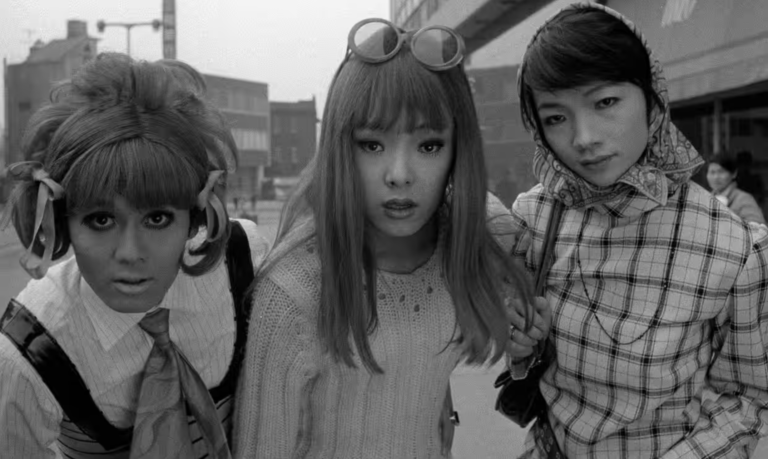
Director Toshio Matsumoto’s shattering, kaleidoscopic masterpiece is one of the most subversive and intoxicating films of the late 1960s: a headlong dive into a dazzling, unseen Tokyo night-world of drag queen bars and fabulous divas, fueled by booze, drugs, fuzz guitars, performance art and black mascara. An unknown club dancer at the time, transgender actor Peter (from Kurosawa’s Ran) gives an astonishing Edie Sedgwick/Warhol superstar-like performance as hot young thing Eddie, hostess at Bar Genet — where she’s ignited a violent love-triangle with reigning drag queen Leda (Osamu Ogasawara) for the attentions of club owner Gonda (played by Kurosawa regular Yoshio Tsuchiya, from Seven Samuri and Yojimbo).

Black_Women*_Space: The Black Her*Stories Project (2015)

Screenings, film discussions, workshop organized by Black_Women*_Space
Wienwoche, 2015

The Black Her*Stories Project presents the first queer Black feminist film festival in Vienna. The selected films depict stories by and about Black LGBTIQ people (Lesbian, Gay, Bisexual, Transgender, Intersex, Queer), bringing them to the cinema screen and thus creating decolonial and feminist resistance.

The Black Her*Stories Project utilises the medium of film to highlight and pass on queer Black feminist stories. For three nights the cinema Top Kino stands in the light of Black revolutionary resistance. From feature films to documentaries and experimental movie formats, what connects these powerful, artistic and humoristic narratives is their political relevance. Not only do queer Black feminist positions claim space, but social struggles and movements are made visible.

Shu Lea Cheang: FLUIDØ (2017)

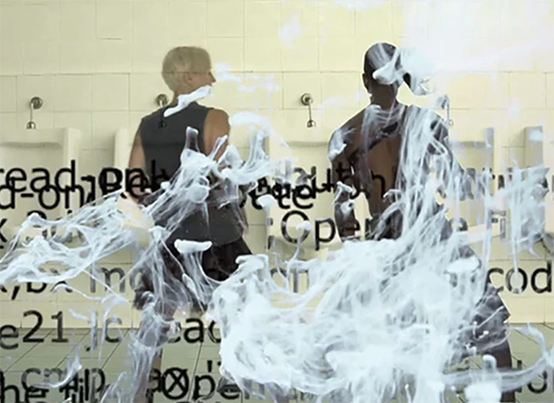
Following the acclaimed cyberpunk movie I.K.U., which premiered at the 2000 Sundance Film Festival and screened worldwide, Shu Lea Cheang is set to direct FLUIDØ in 2015 with Jürgen Brüning Filmproduktion and Berlin-based crew and cast members.

Set in the post-AIDS future of 2060, where the Government is the first to declare the era AIDS FREE, mutated AIDS viruses give birth to ZERO GEN - humans that have genetically evolved in a very unique way. These gender fluid ZERO GENs are the bio-drug carriers whose white fluid is the hypernarcotic for the 21st century, taking over the markets of the 20th century white powder high. The ejaculate of these beings is intoxicating and the new form of sexual commodity in the future. The new drug, code named DELTA, diffuses through skin contact and creates an addictive high.

Cheryl Dunye: The Watermelon Woman (1996)

Cheryl is young, Black, and lesbian, working in Philadelphia with her best friend Tamara on a project: to make a film about her search for a Black actress from Philly who appeared in films in the 30s and was known…

Shu Lea Cheang: I.K.U. (2000)

Shu Lea Cheang is best known for her 2000 cult smash I.K.U. in which sensual cyborgs fuck for information and pleasure. The film, heavily influenced by Blade Runner, is perhaps the first cyperpunk movie to radically explore the possibilities of cybernetic sexualities. The pioneer in the field of media art embraced internet and hacking culture early on, recognizing both its capacity to enslave as well as liberate, mixing that with queer and sexually explicit imagery bringing something new to the cultural landscape. Cheang describes herself as both a “cyberhomesteader” and a “high-tech aborigine” hinting at meta-levels of not only her own life, but the worlds of her films.

Dušan Makavejev: W.R.:Mysteries of Organism (1971)

W.R.: Mysteries of the Organism is a 1971 film by Dušan Makavejev that explores the relationship between communist politics and sexuality, as well as exploring the life and work of Wilhelm Reich. The film intercuts documentary footage with, predominantly, a narrative about Milena, a Yugoslav woman who seduces a Soviet ice skater. Despite different settings, characters and time periods, the different elements produce a single story of human sexuality and revolution through a montage effect.

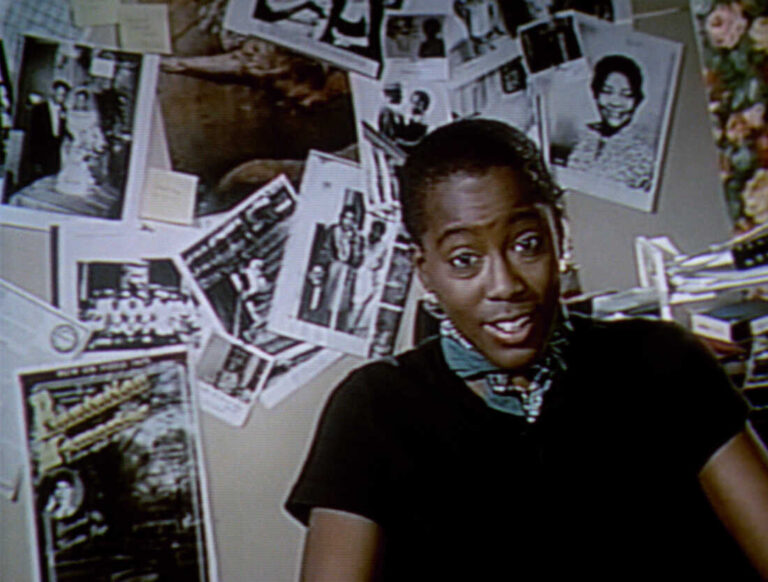
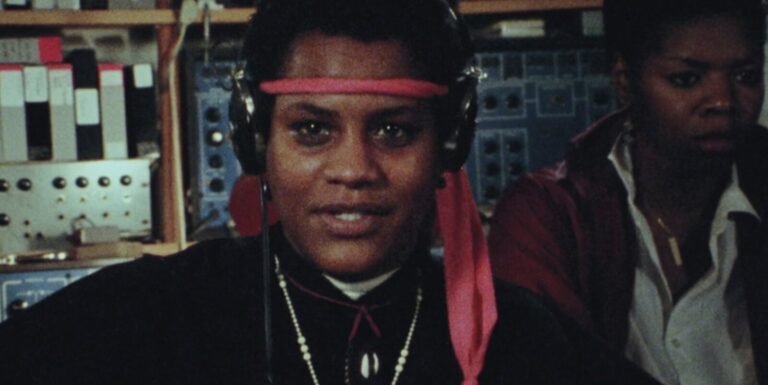
Lizzie Borden: Born in Flames (1983)

Born in Flames is a 1983 documentary-style feminist science fiction film by Lizzie Borden that explores racism, classism, sexism and heterosexism in an alternative United States Socialist Democracy.

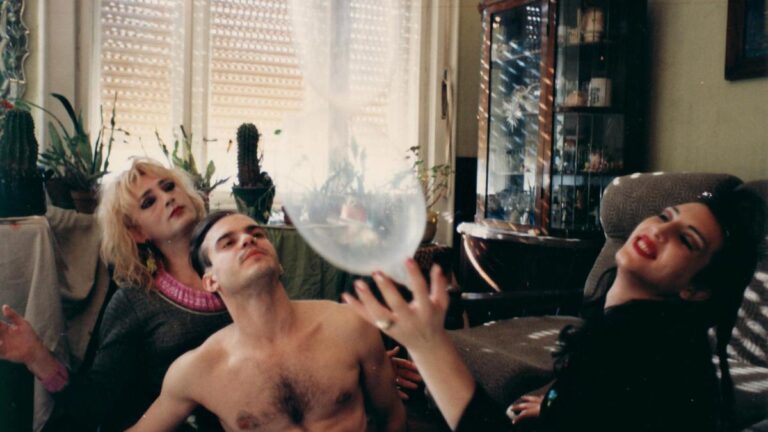
Želimir Žilnik: Marble Ass (1995)

Marble Ass  Merlyn has been pacifying the Balkans, turning tricks with countless Serbian guys. Merlyn is a lighting rod sheltering Belgrade, calming violent nighthawks, swanky big spenders, miserable loners and horny young studs, taking on the charge that would otherwise…

Monica Treut: Virgine Machine (1990)

watch the film >> Dorothee, a would-be writer and journalist, who leaves Germany for the Oz of San Francisco, searching for her long-lost mother and a cure for the malady of love. Installed in the Tenderloin, she peeps in on…